
Introduction to Search Engine Optimization (SEO)
Search Engine Optimization, or SEO, is the practice of increasing the quantity and quality of traffic to your website through organic search engine results. It involves making specific changes to your website design and content that make your site more attractive to search engines.
When you understand what people are searching for online, the answers they are seeking, the words they’re using, and the type of content they wish to consume, you can connect with the people who are searching online for the solutions you offer.
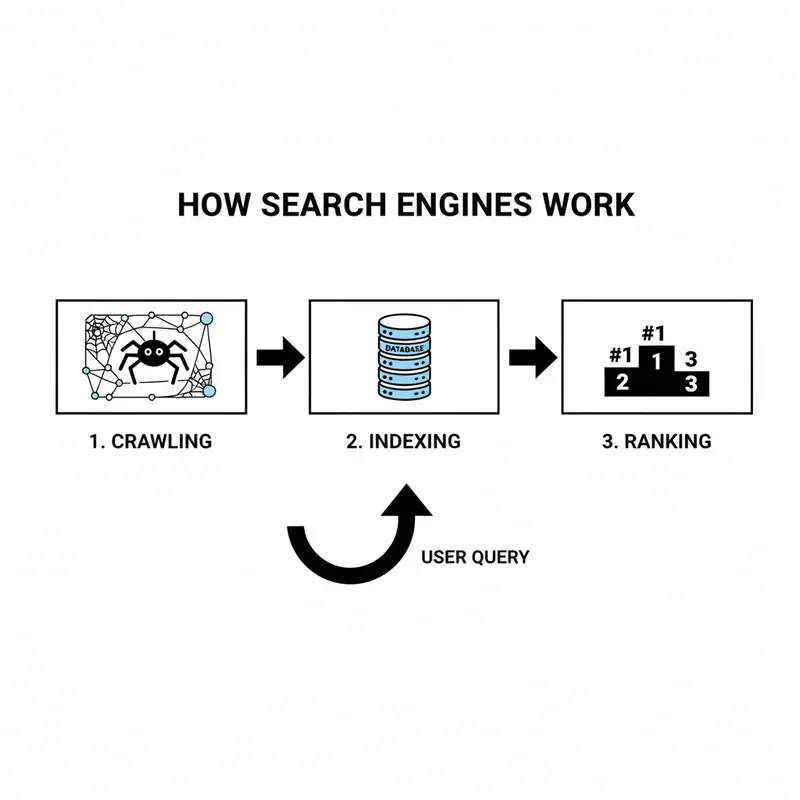
How Does SEO Work?
Search engines like Google and Bing use bots, sometimes called crawlers or spiders, to gather information about all the content they can find on the internet. The crawlers start from a known web page and follow internal links to pages within that site as well as external links to pages on other sites.
The content on these pages, plus the context of the links they followed, help the crawlers understand what each page is about and how it’s semantically connected to all of the other pages in the search engine’s massive database, called an index.
When a user types a query into the search box, the search engine uses complex algorithms to pull out what it believes to be the most accurate and useful list of results for that query. These organic results can include web pages, news articles, images, videos, local business listings, and other more niche types of content.
Key Pillars of SEO
SEO can be broken down into three main categories:
- On-Page SEO: This focuses on the content ‘on the page’ and optimizing it to boost the website’s ranking for specific keywords. This includes keyword research, content creation, and keyword optimization.
- Off-Page SEO: This focuses on building a website’s authority and reputation by getting links from other websites. Link building is the primary off-page tactic.
- Technical SEO: This focuses on the backend of your website to see how your pages are technically set up. It includes things like site speed, mobile-friendliness, site architecture, and security.